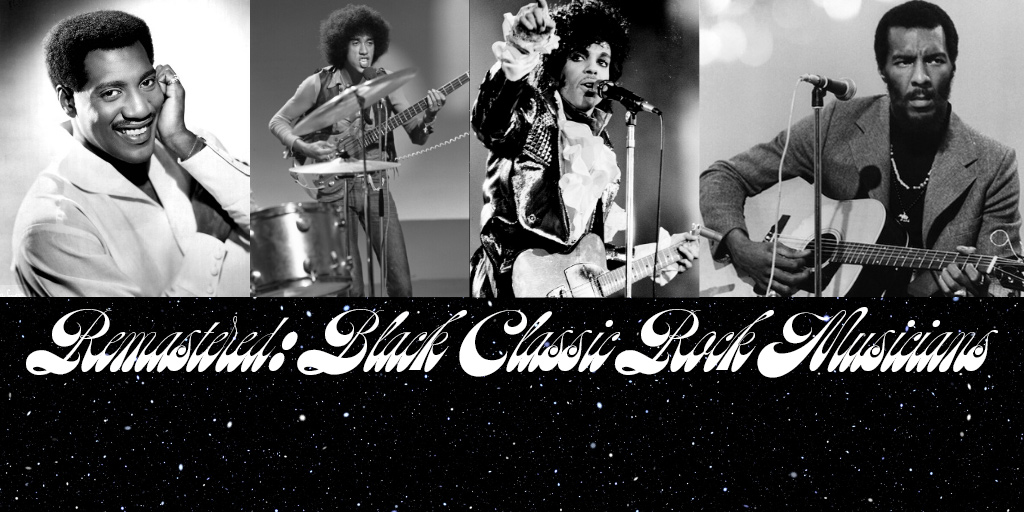

Here’s part 3 – From Nina Simone to Rotary Connection. You can read parts 1 & 2 here.
Nina Simone: Singer and piano player popular in the 60s who sang in many different styles: jazz, R&B, folk, and gospel. She was born Eunice Waymon in North Carolina. She started playing piano when she was around three or four years old and played in church. She gave her first recital when she was 12. Sadly, her parents were forced to move to the back to make way for white people. When she found out her parents were moved, she refused to play until her parents were moved to the front. Later, she got more into Civil Rights activism.
Because her family were poor and couldn’t afford for her to go to music school, her music teacher established a scholarship to pay her way through education. After she graduated from secondary school, she spent the summer at the Julliard School as a student of Carl Friedberg to prepare for her audition for the Curtis Institute of Music in Philadelphia.
Her family were expecting her to get in and moved to Philadelphia to support her, but she was not successful. She had a feeling that she was denied because of racial prejudice. She couldn’t reapply because the school had an age limit, only taking students under 21. She didn’t give up and she kept taking private lessons to get better at piano, but in order to afford this she had to take jobs and play gigs, one of them being at the Midtown Bar & Grill in Atlantic City. During this time, she started using the stage name Nina Simone.
She started releasing albums in the late 50s, and got early success with a cover of George Gershwin’s “I Loves You, Porgy”. Like a lot of black musicians of the 50s and 60s, she missed out on royalties because she sold her rights for a minuscule amount of money, only $3,000 compared to the $1 million she would have gotten had she not sold her rights. She was never much of a fan of the record industry.
In the mid 60s, she started releasing more political music and songs inspired by her black American heritage and got more into Civil Rights activism. Some of her more political songs include “Mississippi Goddam” – in response to the murder of Medgar Evers and the bombing of the 16th Street Baptist Church, “I Wish I Knew How It Would Feel to Be Free” – written by Billy Taylor and considered a Civil Rights anthem, “Old Jim Crow” – self explanatory, “Backlash Blues” – written by Langston Hughes, and “To Be Young, Gifted, and Black”. Her move to more political music was a daring one and one that harmed her career. She told Jet Magazine in an interview that the music industry punished her by boycotting her music after “Mississippi Goddam” was released. She refused to pay her taxes as a protest against America’s involvement in the Vietnam War and left the country for that reason – spending time in Liberia, Barbados, and Europe.
Otis Blackwell: Songwriter, singer, pianist, and rock and roll pioneer. He wrote the songs “Fever”, “Great Balls of Fire”, “Breathless”, “Don’t Be Cruel”, “All Shook Up”, “Return to Sender”, “Daddy Rolling Stone”, and “Handy Man”. Famous musicians who performed his songs include Little Willie John, Jerry Lee Lewis, Elvis Presley, and The Who.
He was born in Brooklyn and grew up learning to play piano and listened to country and R&B music. He got early success at the age of 21 when he won a talent contest at the Apollo. From there, he started writing hits, but didn’t get enough credit for it and he definitely deserves so much more recognition.
Otis Redding: One of Stax’s most famous R&B singers, considered one of the best singers in American pop music history, and a singer who was gone too soon – but in those few years recording, he made a huge impact.
He was born in Georgia to a family of 6 children. His father was a sharecropper and worked at an Air Force Base and occasionally preached in local churches. Otis Redding got his start singing and playing piano and guitar in church. As a teenager, he competed in local talent shows and won many times. He really enjoyed singing and said that Little Richard and Sam Cooke were his biggest influences. He dropped out of school at 15 to support his family buy working odd jobs because his dad got sick. After competing in “The Teenage Party”, he started moving up in music and got a better backing band and even was in The Upsetters, Little Richard’s backing band, for a brief time.
By 1960, he moved to LA and started recording his own solo music. In the early 60s, he toured on the Chitlin’ Circuit. He met Phil Walden, who helped him get a record deal. He got in contact with an Atlantic Records representative, Joe Galkin, and he recommended he go to Stax Records.
Otis Redding recorded two original songs at the first session in 1962, the rock and roll Little Richard inspired “Hey Hey Baby” and “These Arms of Mine”. As for the latter, everyone was feeling ready to go home right before Redding performed it, but Joe Galkin insisted they give him a chance to perform one more song. Stax owner Jim Stewart was impressed and gave Otis Redding a record deal. Those two songs were included on his 1964 debut album, Pain in My Heart. Overall, this is a great album and a nice mix of covers and originals.
In 1965, Otis Redding released his second album, The Great Otis Redding Sings Soul Ballads. Backing musicians on the album include Booker T. & The M.G.’s, Memphis Horns, and Isaac Hayes. It’s another great album from him. Songs from his first two albums didn’t do well on the pop charts, but a few songs did well on the R&B charts like “Pain in My Heart” and “Security” from his debut and “Come to Me”, “Chained and Bound”, “Mr Pitiful”, and “That’s How Strong My Love Is” from his sophomore album. Besides the singles, I like the songs “Your One and Only Man” and “Home in Your Heart”.
Otis Blue, released in the autumn of 1965 was his third album and a breakthrough of sorts and considered his best album. Most of the songs are covers and there are 3 original songs: “Respect” (which Aretha Franklin famously covered), “Ole Man Trouble”, and “I’ve Been Loving You Too Long” (co-written with Jerry Butler). The album was a chart success in the UK, where it reached #6. It topped the R&B albums charts in the US. There were 3 top 40 crossover hits with “Respect”, “I’ve Been Loving You Too Long”, and his version of “Satisfaction”. If you have to listen to one Otis Redding album, pick this one!
After three albums, Otis Redding became a rich man and was able to buy a 300 acre ranch. He performed at the Whisky A Go Go, and was one of the first soul artists to perform for a rock audience on the west coast of the US. Bob Dylan was at his performance at the Whisky and was so impressed and told him to record his song “Just Like a Woman”.
In 1966, he released two albums: The Soul Album and Complete & Unbelievable: The Otis Redding Dictionary of Soul. My favourites from these albums are “It’s Growing”, “Chain Gang”, “634-5789”, “Sweet Lorene”, “Try a Little Tenderness”, “Day Tripper”, “She Put the Hurt on Me”, and “Love Have Mercy”.
In 1967, his career was about to take off and he accomplished a lot that year: releasing King & Queen with Carla Thomas, touring Europe, performing at Monterey Pop, and recording one of his best known songs “Sittin’ On The Dock of the Bay” – which was posthumously released. He died on 10 December 1967 in a plane crash. He was flying around the US, performing and making TV appearances and his plane took off even though the pilot was warned about the heavy rain and fog.
Other posthumous hits include “Hard to Handle”, “Amen”, and “Love Man”.
Parliament-Funkadelic: Funk music collective formed by George Clinton. The origins of P-Funk begin with doo-wop group The Parliaments, formed in the late 50s. They recorded a few singles on small record labels, but they didn’t go anywhere. In the 60s, George Clinton got a job at Motown as a songwriter and producer. Their only single that went anywhere was their version of “(I Wanna) Testify”. The reason for the name change to Funkadelic came afterwards when the label that released “Testify” went bankrupt and he temporarily lost the rights to the name “The Parliaments”. With the name change came a change in sound from doo-wop/R&B to funk rock. Once George Clinton got the rights to his original band name back, he rebranded that into a separate group called Parliament that had a smoother R&B sound. The bands would often tour together.
You could write a whole post on the P-Funk discography and it is a lot to get through, but I’ll go through the highlights and their best known albums. On the Parliament side, the best known albums are the mid 70s to late 70s era – Chocolate City, Mothership Connection, The Clones of Dr Funkenstein, Funkentelechy vs the Placebo Syndrome, and Gloryhallastoopid. “Tear the Roof off the Sucker” (listen to all of Mothership Connection to get the context of this Afrofuturist funk song) and “Flash Light” are their best known singles and if you hear them, you know them.
However, there are some great songs outside of those albums like the prog/funk “Put Love in Your Life”, psychedelic “Moonshine Heather”, “Funky Woman”, and “Livin The Life” from Osmium; “Testify”, “I Can Move You (If You Let Me)” and “Presence of a Brain” from Up For The Down Stroke.
As for the Funkadelic discography, they released their self-titled debut in 1970 and are best known for the albums Maggot Brain (great album from start to finish), One Nation Under a Groove, and Uncle Jam Wants You. These three albums are the ones that I would recommend if you want to listen to Funkadelic, but if you’re someone who really wants to dive into a band like I do, I also enjoyed “I’ll Bet You”, “I Got a Thing, You Got a Thing, Everybody’s Got a Thing”, and the bluesy “Qualify and Satisfy” from Funkadelic; the acid psychedelic “Free Your Mind and Your Ass Will Follow”, “Friday Night, August 14th”, and “Fish, Chips and Sweat” from Free Your Mind; “You Hit The Nail on the Head”, “A Joyful Process”, “Philmore”, “That Was My Girl”, “Balance”, “Miss Lucifer’s Love”, and “Wake Up” from America Eats Its Young; “You Can’t Miss What You Can’t Measure”, “March to the Witch’s Castle”, “Cosmic Slop”, and “No Compute” from Cosmic Slop; “Alice in My Fantasies”, “Standing on the Verge of Getting It On”, and “Good Thoughts, Bad Thoughts” from Standing on the Verge of Getting It On; “Good to Your Earhole”, “Let’s Take It to the Stage”, “Get Off Your Ass and Jam”, and “Atmosphere” from Let’s Take It To The Stage; and “Hardcore Jollies” and “Soul Mate” from Hardcore Jollies;
P-Funk are especially famous for their influence in Afrofuturism and their sci-fi mythology and inventing new words, which can be found throughout their discography. The stories told in the albums come to life on stage in these glam rock style sets and costumes. With over a quarter million budget (largest ever given to a black act), George Clinton had elaborate sci fi sets designed. Sadly, the expenses were so high that they lost money and musicians didn’t get paid.
George Clinton was especially inspired by Sgt Pepper and Tommy to create his own Afrofuturistic sci-fi mythology. He chose outer space and aliens as the theme because he wanted to see black people in worlds that you’ve never seen them in before, “sittin’ on spaceships like it was Cadillac”. You really see the story beginning in Mothership Connection, a concept album introduced with a DJ (they did this before in Chocolate City). The Clones of Dr Funkenstein introduces the title character. Funkentelechy vs the Placebo Syndrome talks about the transcendent powers of funk music and how it can be used as a tool to defend yourself. Sir Nose is the villain who has no funk.Motor Booty Affair takes place in Emerald City in Atlantis and has an underwater theme. In the concept album Gloryhallastoopid, released in 1979, Sir Nose defeats Starchild and turns him into a mule and references to previous songs. Funk created the universe.
The mythology has been referenced in GTA: San Andreas, The Mighty Boosh, and Doctor Who. Below you can find my favourite P-Funk songs:
Phil Lynott: Bassist, songwriter, and lead singer of Thin Lizzy. Phil Lynott was born in England to an Irish mother, Philomena Lynott and a Guyanese father, Cecil Parris. Philomena and Cecil dated for a few months and Philomena got pregnant unexpectedly. Cecil moved to London for work and didn’t raise his son, but paid child support. Philomena and baby Phil lived in a mother and baby home for a time until they moved to Manchester. In Phil’s early childhood, he experienced racism and his mother decided to send him to live with his grandparents in Dublin, where he experienced less racism. He thought of his grandfather as a father to him. Meanwhile, Philomena stayed in England and eventually started managing the Clifton Grange Hotel, where rock stars would stay.
As a teenager he played in multiple bands and got into rock music. Through school, he met his bandmate, Brian Downey. For a time he was in a group called Skid Row, but was kicked out so he started Thin Lizzy, named after Tin Lizzie from The Dandy. Eric Bell, who was in a later lineup of Them, joined as their original guitarist. At first, Phil Lynott was very shy on stage, but that all changed when Thin Lizzy opened for Slade and Chas Chandler gave Phil a kick up the butt to elevate his stage presence or they’d be kicked off the tour.
In 1973, Thin Lizzy got their breakthrough hit with their version of the trad song “Whiskey in the Jar”. They weren’t happy with that being released as a single because they didn’t feel like it represented their hard rock sound. Thin Lizzy felt the same for their biggest hit, “The Boys Are Back in Town”. There’s so much more to them than these two songs and I want to show you the gems beyond the hits in this section of this blog post.
Personally, if I were to recommend Thin Lizzy albums, I’d say the best ones are Fighting, Jailbreak, Black Rose: A Rock Legend, and Chinatown.
Thin Lizzy can be divided into a few eras: the early years as a trio, the signature twin lead guitar attack era, and their later metal era.
The first years extend from their 1971 self-titled debut to Vagabonds of the Western World. Their sound from this time can be described as psychedelic and having some Irish and folk influences, but their sound gets closer to harder rock with each album. It’s not as heavy as their signature twin lead guitar era, but still very enjoyable with some great guitar moments. They weren’t commercially successful, but that doesn’t mean poor quality. My favourite tracks from this time are: “Honesty Is No Excuse”, “Ray-Gun”, “Return of the Farmer’s Son”, “The Rise and Dear Demise of the Funky Nomadic Tribes”, “Baby Face”, “Call The Police”, “Black Boys On The Corner”, “Slow Blues”, “The Rocker”, “Vagabond of the Western World”, and “A Song For While I’m Away”.
Eric Bell left in 1973 for health reasons and was replaced by Phil Lynott’s friend Gary Moore, who ended up leaving in 1974, so the search for new guitarists began. John Cann and Andy Gee were guitarists for a tour of Germany, but they didn’t work out. Drummer Brian Downey was about to quit the band and had to be begged to stay. So they held auditions for a new guitarist. The new guitarists were a young Scottish man named Brian “Robbo” Robertson and Californian Scott Gorham, whose original plans were to join Supertramp.
The first album the new lineup recorded together was Nightlife. It’s a transitional album and at this point, they hadn’t found their sound yet. It’s an alright album, but not an essential listen. Personally, I like “She Knows”, “Still in Love With You”, and “Philomena”.
In 1975, things started to pick up for the band and they opened for some great musicians like Bob Seger, Bachman-Turner Overdrive, and Status Quo.
From 1975-1980, the albums were strong and these were Thin Lizzy’s best years. Guitar harmonies everywhere and you know how much I like how they sound. Sure, they weren’t the first to do it, but boy did they perfect it! From start to finish, Fighting, Jailbreak, and Black Rose: A Rock Legend are amazing twin guitar attack and poetic lyrics – definitely essentials for any Thin Lizzy fan.
Jailbreak was the real breakthrough album for the band with “The Boys Are Back in Town” and “Jailbreak” being hits. But don’t sleep on “Cowboy Song” and “Emerald” – two tracks that slay. Thanks to this success, they got to open for Aerosmith, Rush, and REO Speedwagon.
Johnny The Fox is more of a heavier concept album of sorts and it was written while Phil Lynott was in hospital with hepatitis, which cancelled plans for a US tour with Rainbow. Personally, I wouldn’t say this is their best album, but I like “Don’t Believe a Word” and “Fools Gold”.
In 1977, they opened for Queen on their American tour, but the night before they were to leave for the US, Brian Robertson got into a fight and Phil Lynott kicked him out of the band and Bad Reputation was recorded as a trio, but with Robbo coming back for a few tracks since they needed another guitarist. Personally, I like this album better than Johnny the Fox.
Unfortunately though, they never had a headlining US tour and most of their success was in Europe, so in America they’re considered one hit wonders.
Gary Moore replaced Robbo for the tour, but didn’t stay with the band for long because he was already working with Colosseum II, but Moore would rejoin Thin Lizzy in 1978 to record Live and Dangerous and Black Rose. Black Rose is one of my favourite albums of the late 70s and I love it from start to finish but to me the strongest songs are “Do Anything You Want To”, “Waiting For An Alibi”, “Get Out of Here”, and the title track which is a masterpiece.
Phil Lynott and Scott Gorham did a one time collaboration with two members of the Sex Pistols to record Christmas song “A Merry Jingle” to finish the 70s.
In 1980, Thin Lizzy released Chinatown and Phil Lynott released his first solo album, Solo in Soho. ‘Yellow Pearl” was his best known solo song and was used as the opening theme of Top of the Pops in the 80s. There was a lineup change with Snowy White replacing Gary Moore. By this point, Lynott and Gorham’s drug problems were getting worse. From there, began the decline with poorly received albums and slipping numbers in the charts. There were some good moments though like “We Will Be Strong”, “Chinatown”, “Sugar Blues”, “Dear Miss Lonely Hearts”, “Yellow Pearl”, and “The Man’s a Fool”.
The final era was their metal era with Renegade and Thunder and Lightning, the latter of which is their most metal sounding album. These albums aren’t bad, but I wouldn’t say it’s their best work and I notice a decline in the vocals, but I enjoyed “Angel of Death”, “The Pressure Will Blow”, “Hollywood”, “No One Told Him”, “Thunder and Lightning”, “The Holy War”, “Cold Sweat”
After Thunder and Lightning, Thin Lizzy broke up and Phil Lynott focused on other projects, but they didn’t really go anywhere. He tried to form a new group called Grand Slam, but couldn’t get a record deal. He got one last success in 1985 with “Out in the Fields” with Gary Moore, but after being snubbed from Live Aid and ongoing personal problems, his health worsened. He had plans to record a third album and reform Thin Lizzy, but those never happened. He passed away in January 1986 at the age of 36. Check out the playlist below for my list of recommendations:
PP Arnold: Singer from the US who got more famous in the UK in the 60s and was well known for her collaborations with The Small Faces. She was born Patricia Ann Cole in California into a family of gospel singers. She grew up in the predominantly black neighbourhood of Watts. At a young age, she got married and had a son and a daughter. To support her family, she worked two jobs…
That is until one day she got an offer to audition for The Ikettes. After her husband hit her, she decided she’s leaving to tour with Ike and Tina Turner and she left her children in the care of her parents. She sang backing vocals on some of their albums and was in The Big TNT Show and toured with The Rolling Stones in England. During that tour, Mick Jagger encouraged her to leave and start a solo career. She noticed how much better she was treated in England and decided to stay. Of this, she said, “A young black woman on her own in America in a white environment would not have been treated as well as I was in England.”
Mick Jagger helped her get a record deal with Andrew Loog Oldham’s Immediate Records and she started releasing singles, her most successful ones being her versions of “First Cut is the Deepest”, the Marriott-Lane penned “(If You Think You’re) Groovy”, and “Angel of the Morning”. She also provided backing vocals on the Small Faces’ hit “Tin Soldier” and contributed to albums by Chris Farlowe, Humble Pie, Nick Drake, Dr John, Gary Wright, Nektar, Nils Lofgren, Andy Gibb, and Peter Gabriel. During the 70s and 80s, she didn’t do as much recording her own solo work, but she worked a lot with other musicians.
Prince: Is any introduction needed for The Purple One? He was a prolific musician whose career began in the late 70s and continued until the end of his life – in total, he released 39 solo albums – and that’s not counting his side projects. He recorded so much music that stuff continues to be released posthumously. There are so many things that are special about Prince from his guitar skills, basically playing all the instruments on his albums, combination of all sorts of music styles, to his stage presence that could steal your man or your woman.
He was born and raised in Minneapolis and ask anyone from Minnesota what they think of Prince and you’ll only hear praise and respect. His parents were both jazz musicians and his grandparents were all from Louisiana. Prince isn’t a stage name. His father named him after the stage name he used while performing – Prince Rogers. He didn’t like his name growing up. He was a prodigy and wrote songs when he was as young as 7 on piano. As a teenager, he played guitar in a band called 94 East – named after the motorway that runs through Minneapolis. Below, you can find some of his earliest recordings dating back to 1975-1977:
In 1976, he worked on a demo tape with producer, Chris Moon and tried to get a record deal, but got rejected multiple times. Moon took a chance and brought the demo tape to businessman Owen Husney and he was impressed and signed him to a management contract. From there, they helped him create better demos and send them to mainstream record labels. In 1978, he secured a deal with Warner Brothers giving him complete creative control over his first 3 albums and keeping his publishing rights.
In 1978, he released his debut, For You. Above I mentioned that he had complete creative control and that he did have. If you look at the credits, Prince did all the songwriting, production, arrangement, composing, and played all 27 instruments. “Soft and Wet” was the biggest hit on the album, reaching #12 on the Hot Soul singles chart. A very good album, but Prince got even better in later albums.
He formed a live band for concerts and released his second album in 1979. Once again on this album he played all the instruments and performed the whole album by himself, essentially. The best known tracks on this album are “I Wanna Be Your Lover”, “Why You Wanna Treat Me So Bad?”, and “Sexy Dancer”.
In 1980, he released his third album, Dirty Mind. Like the past two albums, it was 100% produced, arranged, and composed by himself and he played almost all the instruments (except for Doctor Fink playing synthesiser on “Dirty Mind” and “Head”). This album opened the door to him to sing more about risqué things. This album is considered one of his best albums – receiving a lot of critical acclaim, with great songs like the title track, “When You Were Mind”, “Uptown”. There’s a wide variety of influences from R&B to soul to funk to punk, new wave, post-disco, and pop/rock.
Controversy was the first album where he didn’t write all the songs, one of the songs was written by bassist André Cymone. This was the album where the association with the colour purple began and beginning his trademark of using sensational spellings (e.g. “Jack U Off”). Also on this album, he gets political with songs like “Controversy” which talks about his identity, “Ronnie, Talk to Russia” – a plea to Ronald Reagan, and “Annie Christian” – which has lyrics that refer to the murder of John Lennon and the 1979-1981 murders in Atlanta that targeted black residents of the city – some interpret the title as a play on words with “Any Christian”.
His first double LP, 1999, released in 1982, was the real breakthrough for Prince with hits like “1999”, “Little Red Corvette”, and “Delirious”. The latter two made the top 10 on the pop charts and the title track peaked at #12 on the pop charts. It was the first Prince album to feature his backing band, The Revolution. “1999” and “Little Red Corvette” helped Prince become the most played musicians on MTV and he was one of the first black artists to be in heavy rotation. This is a fan favourite album, defining the Minneapolis sound, and one of his best, and he kept getting better from here – beginning a string of hits.
In 1984, Prince released his first soundtrack, Purple Rain. This is easily his best known album. Everyone knows “Let’s Go Crazy” and “When Doves Cry” – which were his first #1 hits. The album’s title was inspired by a lyric in the America song, “Ventura Highway”. Of the title, Prince said:
“When there’s blood in the sky – red and blue = purple… purple rain pertains to the end of the world and being with the one you love and letting your faith/god guide you through the purple rain.”
Originally, the title was written as a country song and he wanted Stevie Nicks to sing it. She turned it down because she felt it was too much for her.
This was also the album that started the “Parental Advisory” sticker, which is placed on albums that have “explicit content”. Al Gore’s wife, Tipper Gore, heard her daughter singing along to “Darling NIkki” from Purple Rain and was outraged and started the Parents Music Resource Center. This song is #1 on the list of Filthy Fifteen songs. Musicians like Frank Zappa, John Lydon, Philip Bailey, Ice-T, and Metallica criticised the PMRC and Tipper Gore.
In 1985, Prince released Around the World in a Day. This album is more psychedelic and less commercial than Purple Rain. That said, “Raspberry Beret” was a huge success, even appearing in the charts again after Prince’s death in 2016. There are some other strong moments on the album like “Paisley Park” (which became the name of his record label), “America”, and “Pop Life”.
In 1986, Prince released his second soundtrack album, Parade, for the movie Under the Cherry Moon. He also starred in this movie and this was the first movie he directed. This album was more of a success in Europe than in the US. It has a unique sound compared to his other albums and the songs are shorter than on the last few albums. The biggest hit from the album was “Kiss” – which reached #1. Two songs, “Christopher Tracy’s Parade” and “Under the Cherry Moon” were co-written with Prince’s father. You can hear some French influences in the songs “Girls & Boys” and “Do U Lie?”. “Mountains” has some baroque pop influences.
Sign o’ the Times, released in 1987, was his first album after he disbanded The Revolution. He recorded material for 3 aborted albums: Dream Factory, Camille, and Crystal Ball. This album turned out to be a compromise double album because the record label didn’t want him releasing so much music. Many influences on this album, like on any Prince release: R&B, funk, soul, psychedelic pop, and electronic. After his death, this was one of his most appreciated albums, with it reaching #20 on the album charts. Rolling Stone described it as the most expansive R&B album of the 80s. The most popular tracks are the title track, “If I Was Your Girlfriend”, “U Got the Look”, and “I Could Never Take the Place of Your Man”. There’s definitely a rivalry between this album and Purple Rain as Prince’s best album. I can’t pick, to be honest!
In 1988, Prince released Lovesexy. While it received mixed reviews from critics and didn’t sell as well as his previous albums, it still sold very well. Once again this is another example of it being bigger in Europe than in the US, with the album reaching #1 in the Netherlands, Sweden, Switzerland, and the UK, while reaching #11 in the US. The cover, depicting a nude Prince, was controversial and was censored when sold in stores.
In 1989, he made a guest appearance on Madonna’s album Like a Prayer and released a soundtrack for Batman because Warner Brothers wanted to leverage the artists they have signed to their label to work on their movies. As well, they wanted Prince to have a commercial revival and it worked, with the album reaching #1 on the album charts and “Batdance” being his first #1 since “Kiss”, “Partyman” was a top 20 hit as well. The following year, he released another soundtrack for his movie, Graffiti Bridge.
The quickest way to sum up Prince in the 90s: he started a new backing band called the New Power Generation with new musicians, his music evolved to have more of a hip hop and new jack swing sound, came up with the unpronounceable “Love Symbol” – which combined the male and female symbols and he would adopt as his name for the rest of the decade, released a lot of music to spite Warner Brothers, and appeared with the word “slave” written on his cheek to express his feelings being signed to Warner Brothers.
You can check out my favourite Prince songs in the playlist below:
Pure Hell: Punk band formed in Philadelphia in 1974. Bad Brains cite this group as one of their early influences. Along with Death, formed by the Hackney Brothers in Detroit, they were the first black porto-punk bands. The band’s lineup were Kenny “Stinker” Gordon, Michael “Spider” Sanders, Preston “Chipper” Morris, and Lenny “Steal” Boles. They played in New York in the late 70s and were friendly with the New York Dolls and Sid Vicious. They did one tour in the UK in 1978 and while it was well-received, they broke up when they returned to the US.
The band only released one single while they were active as a band, a cover of Nancy Sinatra’s “These Boots Are Made For Walking” b/w “No Rules”. Other songs have made it onto compilation albums.
This article from Dazed Digital tells their story in more detail. They were very daring and groundbreaking and weren’t afraid to take chances.
Ray Charles: Also known as Brother Ray and The Genius, he was a pianist; singer; composer; and soul music pioneer who combined the sounds of blues, jazz, R&B, and gospel into a new sound. He was a trailblazer and one of the first black musicians to be granted artistic control on a mainstream record label. His 1959 crossover two part hit “What’d I Say” is considered one of the first soul songs. He was born in Georgia on 23 September 1930, but was raised in Florida. In his early childhood he had an interest in mechanical objects and loved watching his neighbours working on cars. At the age of three, he saw Wylie Pitman play boogie boogie on an upright piano and he was intrigued. Pitman taught him how to play piano and Ray Charles would often be at the Red Wing Cafe. His family lived in poverty and would live there when they were in financial distress.
When Ray was 4 or 5, he started losing his vision and he was completely blind by the age of 7 because of glaucoma. His mother tried hard to find a school that would accept him and he ended up at the Florida School for the Deaf and the Blind in St Augustine. While there, he learnt how to use braille music and played classical piano music, but he preferred jazz, blues, and country. He would perform for his school at assemblies and at socials for various holidays.
He left school at 14 after being expelled for playing a prank on his teacher. He then moved around big cities in Florida trying to find work. He was living in poverty and at times would go days without eating. After the war, there were no soldiers left to entertain so it was harder to find work. In his late teens he joined bands and his biggest inspiration was Nat King Cole, but he wanted more. He wanted to have his own band and leave Florida because more radio hits came from the north than from the south (many southern musicians moved north for bigger and better things). Chicago and New York were too big for his taste, so he went to Seattle with his friend Gossie McKee.
In 1949, he got his first bit of success with the Maxin Trio with a song he wrote called “Confession Blues” – peaking at #5 in May 1949. As a solo artist, he first signed with Swing Time Records and released a few R&B hits like “Baby, Let Me Hold Your Hand” and “Kissa Me Baby”. His career really took off when he signed to Atlantic in 1952, taking over his contract when Swing Time folded.
In 1954, he got his first R&B #1 with “I Got a Woman”. It’s such a timeless song and was sampled in Kanye West’s “Gold Digger”, which featured Jamie Foxx who played Ray Charles in the 2004 biopic, Ray. From there, he got even more top 10 hits with songs like “Come Back”, “A Fool For You”, “Down in My Own Tears”, “Mary Ann”, and “Hallelujah I Love Her So”.
In the late 50s, he hired female vocal group The Cookies to be his backup singers and renamed them the Raelettes. During this time, he got some crossover hits with “Swanee River Rock”, “What’d I Say”, and “I’m Movin’ On”.
The early 60s were his most successful years, with him moving onto ABC Records after his Atlantic contract ended, granting him more creative control and even more mainstream success and his deal was lucrative with a big annual advance, higher royalties, and ownership of his master tapes. In the early half of the decade he started strong with “Georgia On My Mind”, which earned him four Grammys. His other well known song “Hit the Road Jack” earned him another Grammy. Other successful crossover hits of his from the early 60s include “One Mint Julep”, “Unchain My Heart”, I Can’t Stop Loving You”, “You Don’t Know Me”, “Take These Chains From My Heart”, and “Busted”.
In 1964 and 1965 he didn’t have many big hits because his career was halted because he was arrested for possession of heroin. He made a deal to go to rehab to avoid jail time and was on parole. He got a few hits in the mid-late 60s like “I Don’t Need No Doctor”, “Let’s Go Get Stoned”, and “Here We Go Again”. Due to changing music tastes to psychedelic rock, funk, progressive rock, and hard rock, commercial success didn’t continue for him. By the 70s, his music was seldom played on the radio. Music he recorded in the late 60s and early 70s was like Vegemite, you either liked it or you didn’t – for example, his version of “America the Beautiful” was criticised for being so different from the original. There was a revival in interest in his music and soul/R&B generally thanks to The Blues Brothers. He along with James Brown, Cab Calloway, John Lee Hooker, Aretha Franklin, and Chaka Khan were in the movie.
Ray Charles had one of the most recognisable voices in music and therefore had a huge influence on many musician like Stevie Wonder, Aretha Franklin, Steve Winwood (notably covered “Georgia On My Mind” with the Spencer Davis Group), and Steve Marriott (covered “I Don’t Need No Doctor” with Humble Pie). Not only was he a legendary musician, he was outspoken about his support of the Civil Rights Movement and started a charity to help institutions and organisations in the research of hearing disorders.
Return to Forever (Stanley Clarke, Lenny White, Earl Klugh): Jazz fusion band formed by pianist Chick Corea in 1971. Along with Weather Report and Mahavishnu Orchestra, they are considered one of the most important jazz-fusion groups of the 70s. Their early songs are more Latin inspired and have Brazilian musicians playing on those songs. As this is Chick Corea’s band, there are Scientology themed lyrics to be expected here, but I’m not here for that I just like the jazz fusion instrumentals – it’s all about separating the art from the artist.
As for the band members, Stanley Clarke was born in Philadelphia and his mother sang opera and was in a church choir and encouraged her son to study music. Before playing bass, he played accordion and violin, but didn’t like how small those instruments were and felt them to be awkward to hold as a 6 foot tall 12 year old. HIs original goal was to be the first black musician in the Philadelphia Orchestra, but he met Chick Corea and they founded Return to Forever. Outside of Return to Forever, he released solo albums and worked with Ronnie Wood, George Duke, Paul McCartney, Stewart Copeland, and Jean-Luc Ponty.
Lenny White is considered one of the founding fathers of jazz fusion. He was born in New York City and got interested in music from a young age, teaching himself how to play drums. Before joining Return to Forever, he played on MIles Davis’ Bitches’ Brew and Freddie Hubbard’s Red Clay.
Earl Klugh was briefly a member of Return to Forever in 1974. He’s a guitarist and his biggest influences are Chet Atkins, Bob James, Wes Montgomery, and Laurindo Almeida. He started recording music professionally as a teenager.
My Return to Forever recommendations? The instrumental albums, Hymn of the Seventh Galaxy, Where Have I Known You Before, and Romantic Warrior.
Richie Havens: Folk/soul singer-songwriter and guitarist. He was born in Brooklyn and was the oldest of 9 children. He was of Native American (Blackfoot) descent and Caribbean descent. As a kid he sang in street corner doo-wop groups and performed gospel music. When he was 20, he moved to Greenwich Village as an escape and to express himself better. He found himself in the beatnik scene and performed poetry and drew. By night, he listened to folk music and that inspired him to pick up a guitar and play.
When he started performing, word of mouth made him more popular and he got a deal with Verve Folkways and released his first album, Mixed Bag, in 1966. This is considered to be his best album and I highly recommend it:
The late 60s were a busy time with two albums released in 1968 and 1969 and his music career really took off with him being the first performer at Woodstock, which was something that he didn’t expect at all. He played for nearly 3 hours and the best known song from that set was his improvised rendition of “Freedom”.
Not only did he play Woodstock, he also played at the Isle of Wight Festival and appeared on The Ed Sullivan Show and The Tonight Show Starring Johnny Carson. In 1971, he got his only chart hit, a cover of “Here Comes The Sun”.
He also dedicated his life outside of music to activism, educating young people about environmental issues, co-founding the Northwind Undersea Institute, and being a performer at the Benefit Concert for The Longest Walk – an American Indian spiritual walk from Alcatraz to DC to affirm treaty rights.
Romeo Challenger: Drummer of Showaddywaddy, a band that did songs in a 50s rock and roll/rockabilly style, like Sha Na Na. The band formed in 1973 in Leicester as an amalgamation of two groups: The Choice and The Hammers. Romeo Challenger was in a band called Black Widow before joining Showaddywaddy. What made this band interesting were that they had two of each role: vocalists, guitarists, bassists, and drummers. The band won second place on the talent show New Faces and released their first single in 1974, “Hey Rock and Roll”.
Most of their hits were late 50s-early 60s covers like “Three Steps to Heaven” by Eddie Cochran, “Heartbeat” by Buddy Holly, “Under the Moon of Love” by Curtis Lee, “You Got What It Takes” by Marv Johnson, “Dancin’ Party” by Chubby Checker, and “I Wonder Why” by Dion.
The Ronettes: 60s girl group made up of sisters Veronica (better known as Ronnie Spector) and Estelle Bennett and their cousin Nedra Talley. They started singing as teenagers in the late 50s and called themselves the Darling Sisters, changing their name to the Ronettes in 1963.
The group grew up in Washington Heights and loved singing. Ronnie and Estelle were mixed of black, Cherokee, and white ancestry and their cousin was black, Cherokee, and Puerto Rican. All three of them are ⅛ Chinese. An early inspiration for the group were Frankie Lymon and the Teenagers.
Early on in their career, their cousins, Ira, Elaine, and Diane, joined the group and they signed up to perform at an amateur show at the Apollo. Ira was supposed to sing but he didn’t and Ronnie took over, singing “Why Do Fools Fall in Love”. After that, they performed at bar mitzvahs and sock hops.
In 1961, they got an audition for Colpix Records and they got signed, but their singles recorded under that label didn’t chart on the Billboard Top 100. By mistake when they were playing at The Peppermint Lounge, they were mistaken for dancers and performed. They felt they could do better and Estelle decided to call Phil Spector to ask if they could audition for him. When they auditioned for him, he quickly jumped up from his seat and exclaimed that they were perfect and and exactly what he was looking for in a girl group.
The group’s breakthrough came in 1963 when they released the Spector/Barry/Greenwich composition “Be My Baby”. Sonny and Cher were backing vocalists on the song. Brian Wilson was so inspired by the song he wrote “Don’t Worry Baby” as a tribute to them. The song was a huge success, peaking at #2 on the Billboard Hot 100.
Like any successful group, they had to record a followup and that was “Baby, I Love You”, another Barry/Greenwich composition. Spector encouraged them to go to California and record at Gold Star Studios. This single reached #24 on the pop charts and #6 on the R&B charts. Ronnie stayed behind to record it with Darlene Love and Cher on backing vocals, while the other Ronettes went on tour with Dick Clark and Ronnie’s cousin Elaine filled in on tour.
In 1964, they went on a British tour and captured everyone’s attention with their signature big beehive hairstyles. The day they arrived, they met The Beatles and Ronnie befriended John Lennon and they remained friends until Lennon’s death. She was also really excited to meet Keith Richards – The Rolling Stones opened for The Ronettes on this tour. Estelle got along well with George Harrison.
The Ronettes stayed relevant even during The British Invasion when it was in full swing in 1964. Many American girl groups like The Crystals and The Marvelettes quickly declined in popularity, but they stayed strong that year performing on Shindig, American Bandstand, Hullabaloo, and Ready Steady Go. “Walking in the Rain” was another successful single, reaching #23 on the Hot 100.
However, the peak didn’t last for long and by 1965, they didn’t have the same success as they did before because of poor decisions by Phil Spector. They recorded a bunch of songs, but he didn’t want to release them. He also began a relationship with Ronnie. Interpersonal problems tore them apart and Nedra and Estelle felt jealous that Ronnie got all the attention. Nedra didn’t like how dog-eat-dog the entertainment business was because of the pressure to keep making chart hits. The Supremes quickly eclipsed them as the most popular girl group.
Even then, they still toured with The Beatles and joined them for their 14 city tour in 1966. Phil Spector though was upset that Ronnie wanted to join Estelle and Nedra and once again he told her to stay behind in California and have Elaine fill in for her. Phil Spector was abusive to Ronnie and basically imprisoned her in their mansion, almost never bringing her to the studio and basically never allowing her to perform. She separated from him in 1972 and the divorce was finalised 2 years later. In their divorce settlement, Ronnie forfeited all future record earnings because her ex-husband threatened to have a hitman kill her.
Like a lot of other girl groups, The Ronettes were screwed over financially – unpaid royalties and income. Estelle suffered from anorexia and schizophrenia after the Ronettes’ breakup and she was homeless. Nedra Talley left secular music and married Christian TV personality Scott Ross and she recorded some Christian music in the 70s.
In 2000, Phil Spector was ordered to pay The Ronettes over $1.5 million. Before that, they earned less than $15,000 in royalties from their successful hit singles.
Rotary Connection (Minnie Riperton and Phil Upchurch – Pete Cosey, Louis Satterfield, and Morris Jennings played with them too): Experimental psychedelic soul band formed in Chicago in 1966 by Marshall Chess – son of Chess Records founder Leonard Chess. They were the backing band for Muddy Waters on his album, Electric Mud and for Howlin’ Wolf on The Howlin’ Wolf Album. Marshall Chess wanted to focus on music that was different from his dad’s record label and was fascinated with the psychedelic music movement and looked for musicians to join his band: Charles Stepney, Bobby Simms, Mitch Aliotta, Ken Venegas, Sidney Barnes, Judy Hauff, Minnie Riperton, Phil Upchurch, and Morris Jennings. Chess described the band as the hottest, most avant-garde rock guys in Chicago”.
Two of the band’s albums, Rotary Connection and Peace, reached the top 40 in the albums charts. There’s a beautiful quality to their music and I like the songs “Amen”, “Respect”, “I Am the Black Gold of the Sun”, “Hey, Love”, and “Song For Everyman”.
Personally, I like their work on Muddy Waters and Howlin’ Wolf’s albums. An electric psychedelic take on the blues. Blues purists gave it slate reviews, but hip hop artists liked the rhythms.
Shoutout to my friend Patrick for supporting the blog!
Loved this blog post and want to support? If you cannot afford to donate to The Diversity of Classic Rock, there are many free ways to support the blog: Follow me on Facebook, Twitter, or Instagram, click the follow button on my website, leave a nice comment, send your music or classic rock related books for review, or donate your art and writing talents to the blog.
You can also download the Brave Browser using my referral link* and earn tokens that you can donate to your favourite creators (including me!), donate to charity, or you can keep them for yourself and redeem them for cash. The choice is yours! Thank you!
I am also an affiliate of MusoSoup*, a platform for musicians to efficiently share their music with thousands of bloggers, radio stations, and curators for coverage for a very affordable price. If you’re a blogger, you can sign up for free by contacting them. If you’re a musician, you can sign up and share your music with all the bloggers and content creators signed up on the website. If you sign up as a musician using my referral link, I get a commission, which helps keep this blog running and helps you get more publicity for your music.
*This is an affiliate link that you can use at no extra cost to you. I get $5 for every person who downloads the browser through my link. Downloading Brave (which is free) using my link is a nice gesture to support the blog at no out of pocket cost to you, but it’s not obligatory. For the MusoSoup affiliate link, I get 50% of the sign up fee for musicians. The cost is no extra if you use my affiliate link.
 The Diversity of Classic Rock
[…] 4 in an expanded and remastered blog post series on black musicians. You can read parts 1, 2, and 3 here. This deep dive post covers members of Santana all the way to 24 Carat […]
LikeLike
[…] course, some obvious musicians like Stevie Wonder and Ray Charles will not be talked about in this blog post because they’ve been talked about to death – […]
LikeLike
[…] my unabridged series on black rock musicians (part 3) (part […]
LikeLike