
Despite following mostly classic rock pages, my social media feeds still manage to be all about Taylor Swift. First she’s releasing a new album The Life of a Showgirl and now she’s engaged to Travis Kelce. As per usual, she’s releasing a record-setting number of vinyl variants of her new album with different colours, album art, and exclusive tracks. At this point, Taylor Swift isn’t an artist, she’s a brand, she’s a product. All of these moves were calculated to keep her name in the news and get people talking about her and it’s working. Her ride or die squad of Swifties are lapping it up and buying up all the variants. Brands are jumping on the Taylor Swift meme bandwagon and people who don’t talk about Taylor Swift are talking about her. Well played.
But this vinyl variants thing isn’t just about Taylor Swift. It’s a discussion that goes way beyond her. It got me thinking about the problems with consumerism in the rock music and vintage communities, two communities I have been involved in since I was a teenager. I’ve seen the quick shift from it being more about resourcefulness and creativity to it becoming a contest of who has the biggest collection and the most coveted items. It’s a pattern I’ve seen many times.
How Consumerism Ruined Social Media
Remember old school YouTube and how real those videos of the mid-late 2000s were? Someone switching on a webcam and talking and then just doing basic edits with Windows Movie Maker, or if you’re posh, iMovie. They created magic with low budgets, no sponsorships, no flashy production, just authenticity and creativity. Back in those days if you dared to do some cash grab stuff, you were called a sellout. Nowadays YouTubers have cookie cutter streaming setups that cost thousands of $/£/€, entire staff working for them (editors, researchers, and assistants), and their production value rivals that of a Hollywood movie studio. Of course there are sponsorships to cover the high expenses so you’re always being sold to. Sure it looks snazzy, but it feels so contrived and sanitised and it feels like if you’re a newbie you won’t go anywhere since the bar keeps being raised higher and higher. I miss the quirkiness and individuality of the old days. I miss just being able to watch videos or scroll on social media and not feel like someone is trying to sell me something. Social media is just a stealthier QVC. We all know that infomercials are trying to sell you something, but with social media it’s creators exploiting their parasocial connection with their audience to sell them things.

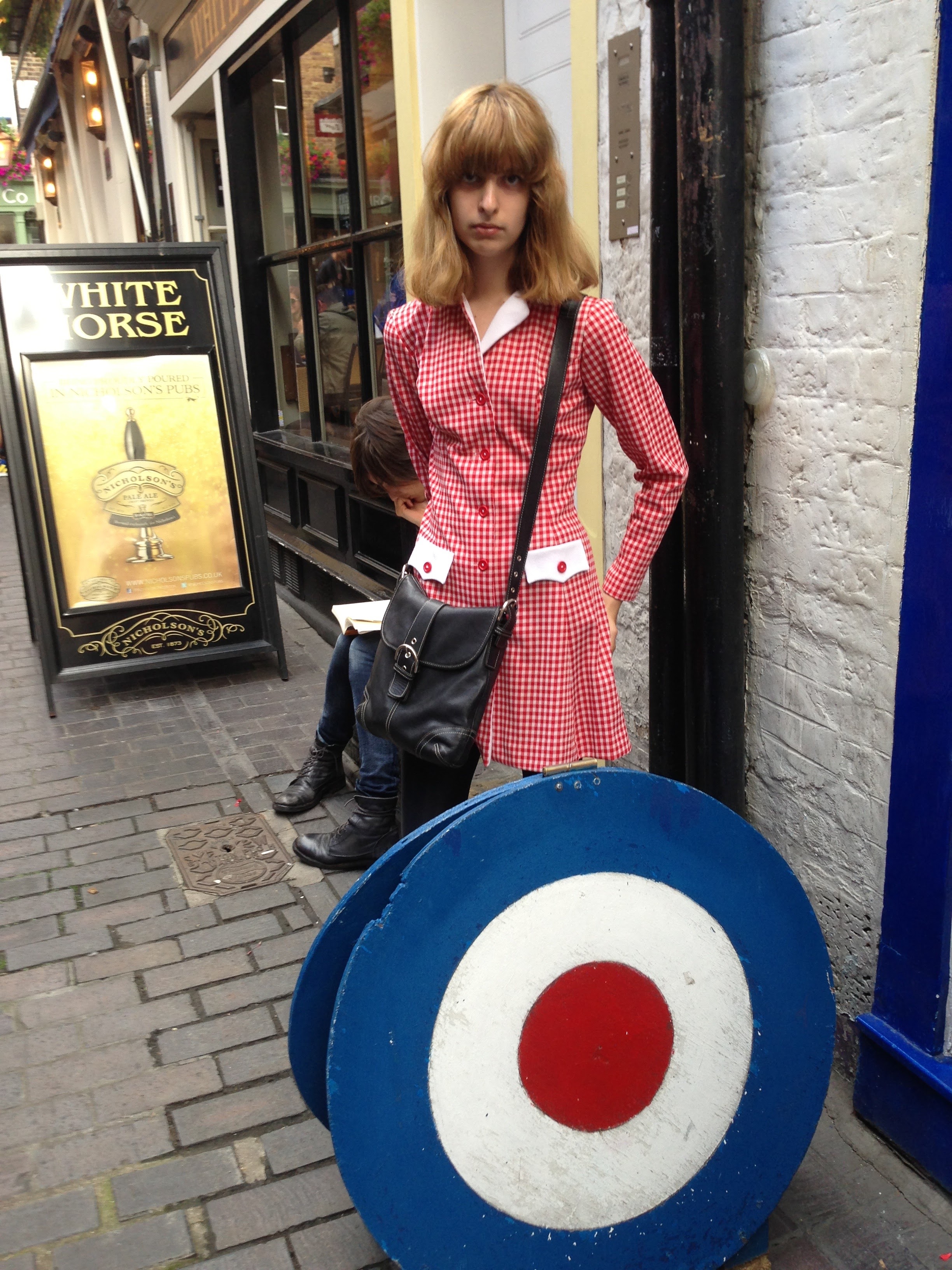



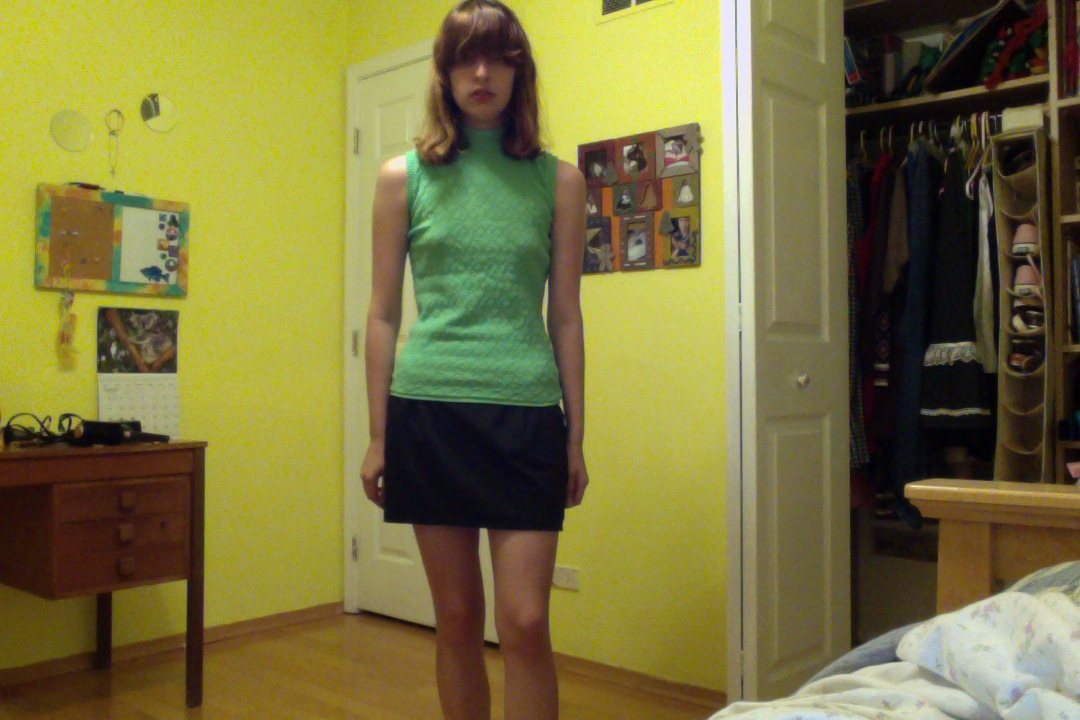


Me at 18-19 years old. All of these outfits are vintage and I still have many of these items.
When I was on Tumblr in the early 2010s talking about classic rock, there were no 1960s/1970s reproduction brands and everyone’s outfits all looked unique because we thrifted them and we made do with retro style things from the mall. Those with a lot of creativity and talent made their own clothes. No one had affiliate codes and no one really did hauls unless it was all vintage. Vinyl didn’t have its resurgence yet so you were thrifting or going to independent record stores to find the must-haves. Vintage shopping was way cheaper and the clothes were at least older than me by a good bit. Those were the days.
The Vintage Community’s Problem With Consumerism
Just like the mod and hippie subcultures had humble beginnings and working class roots before being commodified and ruined by the man. Cue Jack Black’s quote from School of Rock: “There used to be a way to stick it to the Man. It was called rock ‘n’ roll, but guess what. Oh no, the Man ruined that too, with a little thing called MTV!”
Marketing teams realise something hip and cool is profitable and they turn it into a product to sell to the masses, creating a need in people. There problems with wearing true vintage is there’s a finite amount of it and it’s not always size inclusive. People want to wear vintage style clothes, but it’s not always accessible. Reproduction brands responded to that need, that gap in the market.
Early reproduction brands were quite small businesses run by an artisan who makes the clothes themselves or with a small team. I loved the personal service I would receive and I love how the products were locally made, which means I’m helping to create jobs in the local economy and my clothes have less of a carbon footprint since they are made closer to home.
Nowadays I find that some reproduction brands are really more like fast fashion and try really hard to tick sustainability boxes and after working in the clothing industry for a bit, I see right through some of these tactics. ESG (environmental, social, and governance) is just a tickbox exercise for a lot of companies where they get the carbon neutral/net zero certificates, circular design/economy pledges, B-Corp certifications, charity donations, ethical manufacturing certifications, writing a page full of fluffy “feel good” storytelling and platitudes about how we care about the planet, you catch my drift. There’s a term for this and it’s called greenwashing.
Slavoj Zizek made a great video about cultural capitalism that really influenced me and shaped a lot of my views. In this video he talks about how sustainability and ESG (albeit not in those words, but the same concept) are used as a marketing tool to help alleviate people’s guilt about consumption and make them feel like they belong to a movement. It’s putting a plaster on the problems caused by capitalism, further prolonging the disease of overconsumption. Companies turn “ethical consumerism” into a substitute for political action. Simply put, consumerism isn’t activism and it can never be activism.
To put it in vintage community terms, you’re not just buying a Penny Lane coat, bell bottoms, or lace up boots, you’re buying into a community and “doing good” for the planet because these far out clothes are “so sustainable”, man! Advertising plays with our emotions: happiness, pride, aspiration, jealousy, guilt, fear, nostalgia, love. Since when were clothes a community? How are shallow social media interactions real community? Community is making real connections and supporting each other. It’s about what’s on the inside and who you are, not the outside and what you have.
These brands may not release new collections at the frequency of Shein, but there’s definitely promotion of overconsumption and FOMO marketing. I never liked the manufactured rarity of limited stock drops. Companies claim it’s for the environment, but the reality is that it’s just a cost cutting measure. They don’t need as much warehouse space if it’s a limited run. If it’s made to order, they buy just enough fabric to make the clothes and that’s it, no surplus fabric or needing to have sales. The “rarity” gives it that aura. How is it any different than Taylor Swift’s myriad vinyl variants and her “first and only” pressings of them, plus the countdown clocks? Taylor Swift just takes it to the next level with regional exclusives.
This isn’t to say I hate all reproduction clothing. Sometimes it looks really nice and I can style it with my vintage pieces to create a look that is truly me. But I’m sick of influencers gushing over and hawking reproduction clothes that everyone and their mother is wearing to concerts and events. Of course you’re going to love it and think it’s worth it if you didn’t have to pay for it! Us plebs who have to spend our hard earned money have to think very carefully about the purchase.
It’s quite tone deaf to be pushing expensive reproduction pieces in a community that was originally about sustainability and creativity. Thrifting isn’t easy, but it’s much more satisfying because half the fun is in the treasure hunt. The most sustainable clothes are what’s in your closet, plain and simple. Dupe the vibes with what you already own. Chances are if you’ve collected a lot of vintage and retro style clothing in the past, you’ll have some things that look similar. You’ve bought the clothes and they’re meant to be worn. You don’t need a special occasion, just wear them!
Bringing it back to vinyl and merch
While I’m not one for band merch, I think there are excessive consumerism problems when it comes to vinyl and band merch. I’ve ranted about Record Store Day in the past and how awful the artificial scarcity is. I’m also sick of the excessive amounts of band merch and the collector’s mentality. I’m just here to enjoy the music and dress like the musicians I like. I don’t need to have it all. I don’t need the whole collection of merch or every vinyl special edition. I love tchotchkes as much as the next person, but man a lot of this rock band merch is so wasteful and I have a lot of other interests that I’d rather spend money on, like travelling. To each their own.
I’ve had most of my band shirts for over a decade and they’re still going strong. That’s how it should be. That’s what sustainability is. It’s not about what you buy, it’s about how much use you get out of something.
The point is don’t deprive yourself. Buy the merch if you like it, but don’t feel pressured by content creators. Remember that influencers and content creators are not normies. How I look at them is they buy all this stuff (or get it for free, lucky ducks) and review it and tell you if it’s worth it so you don’t waste your money. Just think critically and to quote The Beatles, “Think For Yourself”.
Perhaps one day I’ll do some shop your closet/deinfluencing/anti-haul outfit videos where I recreate looks that influencers are trying to sell me. What do you think of that idea?
Support Independent Creators, Not Rich Musicians
Going back to what I said about Taylor Swift, besides the damage she’s doing to the environment by fuelling excessive consumerism, she’s also indirectly hurting smaller creators. One of the saddest things I think about as an independent creator is how people are so willing to throw their cash at their fave’s new album or spend their rent money on concert tickets, but baulk at buying tickets to see an indie musician at a local venue, a zine or a book by independent writers, or art from a local artist. But really it’s a bigger problem than that. We don’t have the disposable income that we used to. Everyone’s feeling the squeeze. Everyone’s tightening their wallets. Everyone’s risk averse because of how precarious the economy is. The algorithms favour the already established and popular. That’s why mainstream media is so “safe” and therefore boring.
I wouldn’t say the arts are devalued as a whole. For those at the top, they’re richer than they’ve ever been. But for those at the bottom and working their asses off to get some recognition, they’re struggling a lot more. The divide between rich and poor has increased. Independent venues are dying out alongside other third places like independent cafes and local pubs. NIMBYs complain about noise. Property developers want to knock them down and turn them into overpriced, soulless flats. Where can unknown artists and creatives be seen and heard? Instead we’re told to get day jobs and give up on our dreams. There’s a reason that there’s a whole meme about indie musicians’ parents names being in blue on Wikipedia. I often think about how somewhere out there, there’s a person who is just as talented or even more talented than top 40 musicians, but they’ll never be discovered and their work will never get the appreciation it deserves. There’s a great quote from Stephen Jay Gould: “I am, somehow, less interested in the weight and convolutions of Einstein’s brain than in the near certainty that people of equal talent have lived and died in cotton fields and sweatshops.”
Liked this blog post and want to support independent writing about classic rock? Donate to The Diversity of Classic Rock on Patreon or Paypal or follow me on Facebook, Bluesky, or Instagram, buy my book Crime of the Century, click the follow button on my website, leave a nice comment, send your music or classic rock related books for review, or donate your art and writing talents to the blog.
If you donate any amount to my Patreon or PayPal, you’ll get a Crime of the Century ebook, so it’s pay what you can! The best deal you’ll get on the book and you won’t find this deal anywhere else! I just want to give back to my readers and say thank you for your support.
 The Diversity of Classic Rock